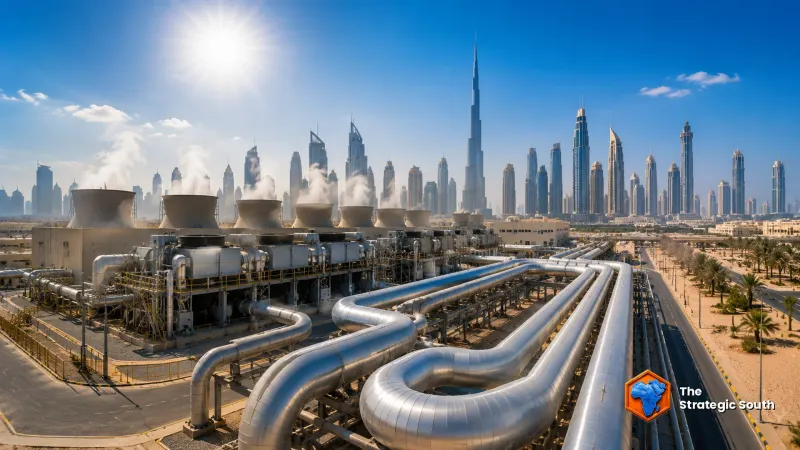

Announcing a plant is cheap. Shipping the molecule is the industry
A gigawatt-scale green-hydrogen plant is one of the cheapest things in energy to announce. Any country with sun and wind can hold the press conference, publish the renderings and order the electrolysers before the water is contracted or a single tonne of off-take is signed.
What is ruinous is everything that comes after the headline: landing that molecule in a customer's tank an ocean away, reliably, at cost, on an ordinary day with nobody watching.
That gap — between the plant announced and the molecule delivered — is the part of the hydrogen debate that keeps getting skipped. So I read every gigawatt announcement the way I read any energy project: not by the headline asset, but by where the molecule loses value on the way to a buyer. Storage. Shipping. The conversion losses nobody prints in the release. Sun is a resource. A molecule landed dependably in a customer's tank on another continent is an industry. They are not the same achievement, and the distance between them is where projects live or die.
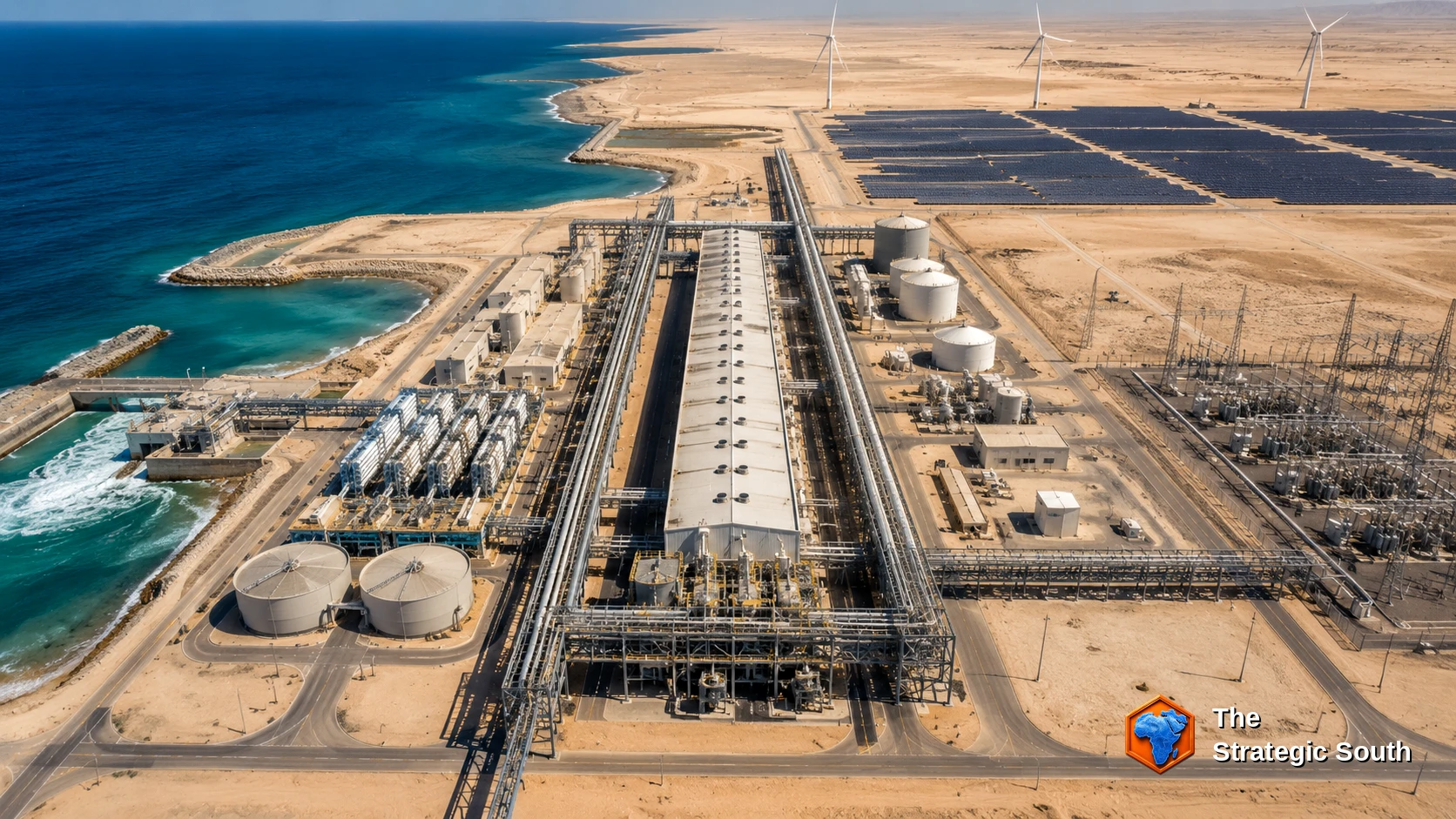
A hydrogen project is a value chain, not a plant
On a slide, a hydrogen project is an electrolyser. In the field it is renewable power available the instant the electrolyser calls for it, desalinated water that never stops, processing, storage, an export terminal, shipping, and a customer on another continent contracted to take the product for twenty years. Break any one of those and the plant is a monument rather than a business.
The shape is familiar to anyone who has delivered gas-to-power. The molecule in the ground is rarely the problem. The problem is the line that ties it to the coast, the grid that takes it at the far end, and the contract that guarantees someone pays for every unit that moves. Hydrogen is that same architecture with more links in it and far less tolerance for error at each one.
Taken separately, these are ordinary infrastructure assets — a solar farm, a desalination unit, a jetty. Taken together they are a single operating system, and the winner will not be whoever builds the largest electrolyser. It will be whoever runs the whole system most reliably, with nobody watching.
The failure is always between the assets
On energy mega-projects the thing that slips is almost never the headline asset. It is the unglamorous work of moving the molecule: the jetty that is not ready, the water permit that lags, the off-take still in negotiation the month the electrolyser is commissioned.
I have watched a fully built asset stand idle because one link upstream was not ready. Nothing about the asset was wrong. It had been engineered properly, commissioned properly, and it produced nothing, because production was never the constraint. Idle capital does not wait quietly, either — it burns. A plant below capacity, a crew on standby, a carrier chartered against volumes that are not flowing: these are meters that run whether or not anything moves.
In hydrogen the arithmetic is merciless, because the capital is front-loaded and the tolerances are tight. An electrolyser built for decades only earns its case if every link around it holds for just as long. A gigawatt of announced electrolysis, with a shaky grid behind it and no signed buyer in front, is not a competitive export. It is a press release with a capital cost attached.
And the failure is a quiet one. A chain of this kind does not collapse spectacularly. It underperforms — a few points below the model, month after month — until the economics that justified the money no longer hold and nobody can point to the day it stopped working. I would far rather price the weakest stage honestly on day one than discover it in year three, when the carrier is on charter and the customer is asking why the tank is half full.
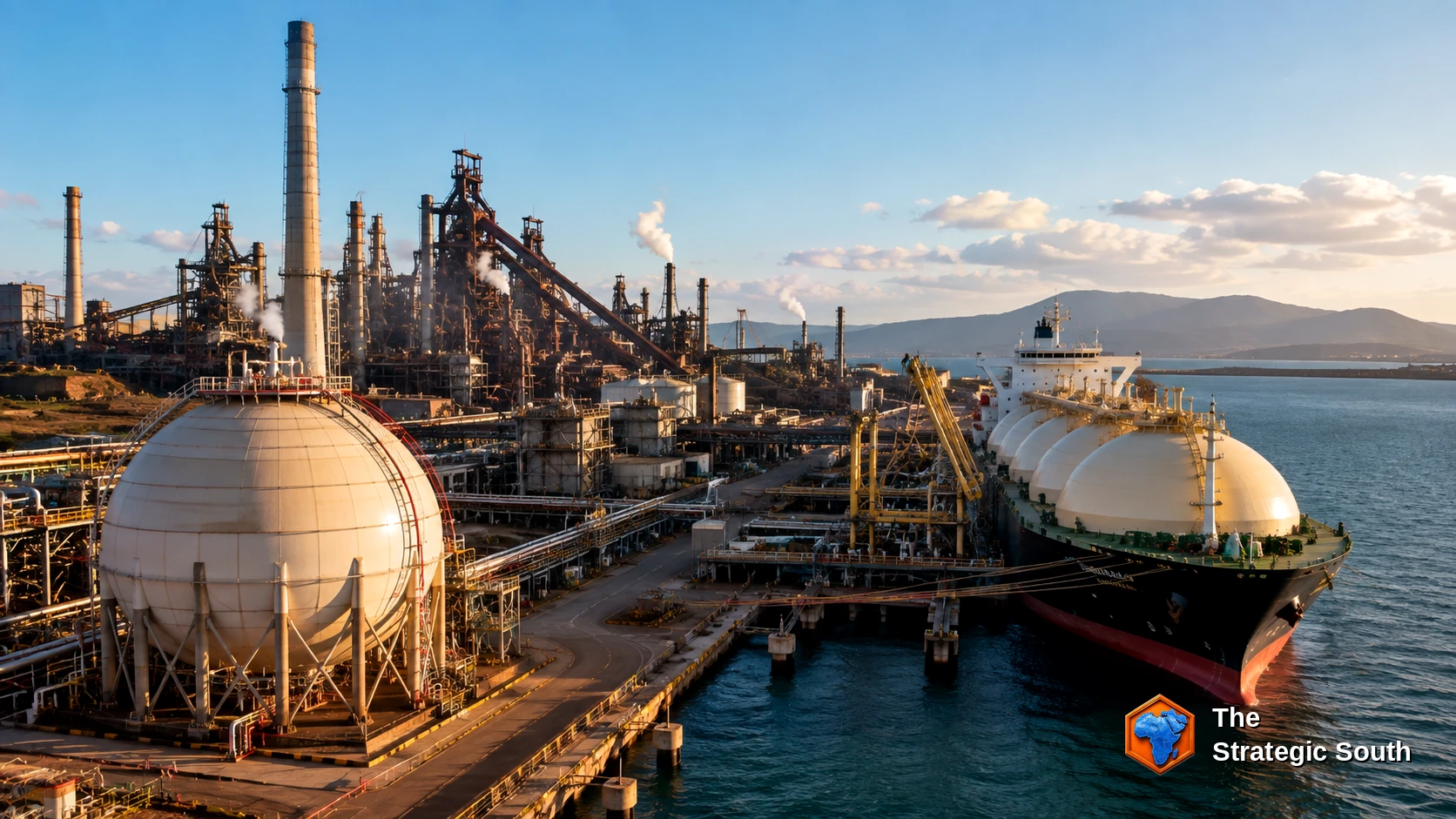
Off-take, not sunshine, is the real decision
So here is what I would fix first, before signing off on one more megawatt of electrolysis: the buyer.
Investors do not back molecules. They back secured demand and dependable logistics. A steel producer switching to hydrogen is not purchasing a chemical; it is purchasing twenty years of security of supply, and betting a works on it. A fertiliser plant needs continuous feed or it stops. A shipping line needs bunkering it can put on a timetable. None of them will stake their industrial future on a supplier who can produce cheaply but cannot deliver on a wet Tuesday in February.
Sign the customer first and every other link in the chain acquires a reason to exist and a standard to hit. The water gets contracted because a delivery date depends on it. The power gets firmed because a utilisation rate depends on it. Skip that step and you have built the most sophisticated stranded asset in the world — beautifully engineered, and connected to nobody.
Off-take, not sunshine, is the real decision. Sun gets a project announced; a signed buyer gets it built.
What I would secure before the electrolyser
What I would lock down before the electrolyser is, in order: the water, the firmness of the power, the export terminal and the shipping, and the off-take. The boring links, precisely because they are the ones that fail.
In eighteen years I have never lost a project on the headline asset. I have lost time, money and sleep on the items nobody costed — the water contract, the berth, the transport to market. Those are the lines that get added late, priced optimistically, and assigned to whoever has capacity that week.
Underneath it is a habit of mind, and it is not glamorous. You walk the chain link by link, and at every step you ask the same blunt question: what has to be true here for the next step to happen without me pushing it? Wherever the answer is "nothing yet", you have found the thing that will decide whether the project delivers. Where a chain has no single owner — the power authority optimises the grid, the port optimises the terminal, and nobody is responsible for the journey from electron to ammonia to customer — you either supply that missing responsibility yourself or you accept the delay. There is no third option, and pretending otherwise is how schedules die.
Delivering an electrolyser is a milestone. Delivering a system that runs is the job.
Reliability is what the customer is actually buying
This is where I part company with most of the hydrogen conversation. Green hydrogen is not, at heart, an energy project. It is industrial strategy wearing an energy costume.
The value was never going to come from producing more molecules. Sun and wind are the one input the Middle East and Africa hold in genuine abundance, and abundance does not command a premium for long. The value comes from the integrated system that turns those molecules into steel, fertiliser, fuel and export revenue, and from the confidence — earned through execution, not promised in a brochure — that the system will still be delivering in year twenty.
That reframes the contest entirely. The question is no longer who can produce the cheapest hydrogen, because cheap production becomes a commodity the moment the technology matures. The sharper question is who can run the most reliable system around it: the water, the power, the ports, the buyer, and the trained operators who keep the thing running for thirty years. That is a governance and execution problem rather than a resource one, and it is far harder to build than a solar farm.
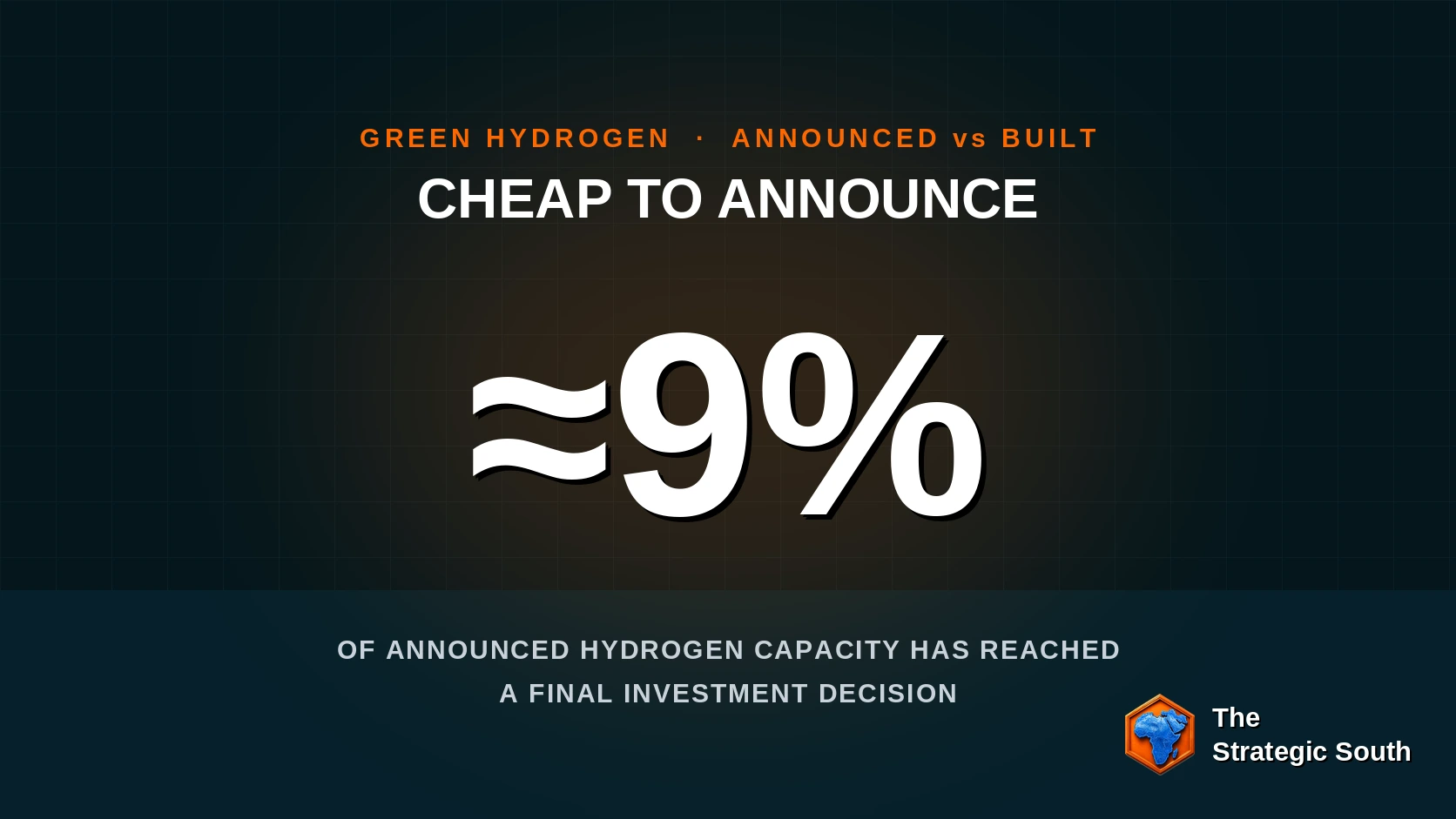
The cheapness at the podium is a reading, not a discount
Here is the resolution the title has been pointing at all along. Cheap to announce and ruinous to ship are not two facts about green hydrogen. They are one fact, read from opposite ends of the same chain.
A thing becomes cheap to declare precisely when anyone can declare it — sun, wind, an electrolyser order, a rendering at dusk. That abundance at the front is real, which is why the whole contest slides to the back, where the abundance runs out. When entry costs nothing, the price does not vanish. It relocates to the exit: the water contract, the firmed grid, the export interface, the customer who has staked a factory on your dependability.
So read the next gigawatt announcement as a question rather than a claim. Ask who has signed the buyer, secured the water, firmed the power, and put a name against the weakest joint in the chain. If those answers exist, the low cost of the announcement was the last cheap thing about a serious project.
If they do not, the announcement is telling you the whole truth already — and it will keep telling it, quietly, from a jetty with no carrier alongside it.
The Strategic South examines how engineering, infrastructure, energy and industrial systems are reshaping Africa and the Middle East — through the lens of project delivery, not press releases. Subscribe to the weekly newsletter, and explore the companion pieces.